EBOR HOME CARE · YORK

Complex Care

Everyday support, shaped around you

Support when care needs are more complex

At Ebor Home Care, we understand that some individuals require additional support due to complex health conditions, disabilities, reduced mobility or specialist care requirements.

Our complex care services are designed to help individuals remain safe, comfortable and as independent as possible in their own homes, even when their care needs become more challenging.

Whether you require specialist assistance with everyday activities, support with long-term health conditions or more advanced care interventions, our dedicated team provides compassionate, personalised support. We work closely with individuals, their families and relevant healthcare professionals to ensure care is carefully planned, appropriately assessed and delivered by carers with the necessary training and competencies.

Specialist care and healthcare support

Some individuals require additional assistance with specific healthcare needs. Where appropriate, our carers provide specialist support in accordance with individual care plans, risk assessments and relevant clinical guidance.

Our services include:

  • Catheter care – Assistance with routine catheter management, including emptying and changing drainage bags, maintaining personal hygiene and recognising and reporting potential complications.
  • Stoma care – Support with emptying and changing stoma appliances, maintaining hygiene around the stoma and identifying concerns that may require specialist nursing attention.
  • PEG feeding and medication administration – We recognise that every individual’s PEG feeding and medication requirements are different. We therefore provide a small, consistent team of carers for each client requiring PEG support. Each carer receives client-specific training from the individual’s specialist nurse and must be formally assessed and signed off as competent before administering feeds or medication via the PEG tube. Training and competency assessments are specific to each client and do not automatically authorise carers to provide PEG care to others. All care follows the individual’s prescribed care plan and specialist nursing guidance.
  • Diabetes support – Assistance with diabetes-related daily routines, recognising and reporting signs of low or high blood glucose.
  • Specialist medication support – Assistance with more complex prescribed medication requirements, including specialist administration methods and rescue medication, where appropriately authorised and where carers have completed the necessary training and competency assessments.
  • Epilepsy and seizure support – Following individual seizure management plans, recognising seizure activity, providing appropriate assistance and administering prescribed rescue medication where authorised and staff have been assessed as competent.
  • Pressure area care – Pressure area care is nurse-led, with our carers following professional guidance on repositioning, pressure-relieving equipment and applying recommended creams where authorised. We monitor skin condition during daily care and promptly report any concerns to the nursing team, who remain responsible for clinical assessments and treatment.
  • Wound and dressing support – Wound assessment, treatment and dressing changes are specialist nursing responsibilities and are not undertaken directly by Ebor Home Care carers. However, we work collaboratively with district nurses and specialist healthcare teams to support individuals who have wounds or require ongoing dressing care. Our carers can observe and report concerns, support personal hygiene and comfort, and follow relevant nursing guidance to help protect affected areas during everyday care. This collaborative approach helps ensure individuals receive appropriate nursing treatment alongside consistent, compassionate home care.
  • Complex continence care – Personalised assistance with complex continence requirements, including prescribed continence products, hygiene routines, toileting support and specialist equipment where appropriate.
  • Complex swallowing needs – Support for individuals experiencing swallowing difficulties, following Speech and Language Therapy (SALT) guidance. This may include assistance with prescribed food textures, fluid consistencies, appropriate positioning, pacing and safe eating and drinking techniques.

Complex personal care and mobility support

We recognise that individuals with significant physical disabilities, reduced mobility or higher levels of dependency may require more comprehensive assistance with everyday personal care.

Our carers can provide:

  • Dual carer support – Support from two carers where required to safely meet personal care, mobility and moving and handling needs.
  • Complex moving and handling – Assistance with transfers and repositioning using individually assessed equipment, including hoists, specialist slings, standing aids and other appropriate moving and handling equipment.
  • Bed-based care – Comprehensive personal care for individuals who are unable to get out of bed or have significantly restricted mobility, including washing, dressing, continence care, repositioning and maintaining comfort. All moving and handling support is delivered in accordance with individual risk assessments, moving and handling plans and relevant professional guidance.

Supporting people with complex health conditions

Our care team supports individuals living with a range of long-term health conditions, disabilities and additional care needs.

These include:

  • Dementia and Alzheimer’s disease – Person-centred support tailored to individual routines, communication needs, memory difficulties and changes in cognition, with an emphasis on reassurance, dignity and familiarity.
  • Neurological conditions – Personalised care for individuals living with neurological conditions such as Parkinson’s disease, multiple sclerosis, motor neurone disease and the effects of stroke.
  • Learning disabilities – Individualised support that promotes choice, independence, communication and participation in everyday life, while recognising additional physical, emotional or cognitive support needs.
  • Acquired brain injuries – Assistance with personal care, mobility, communication and everyday activities for individuals experiencing physical or cognitive difficulties following a brain injury.
  • Multiple long-term health conditions – Coordinated personal care for individuals managing several health conditions that affect their mobility, independence or everyday wellbeing.

We recognise that every person’s experience of a health condition is different. Our approach focuses on understanding the individual, adapting support to their needs and helping them maintain the best possible quality of life.

Palliative and end-of-life care

We understand that individuals approaching the end of life, and their families, may require additional care, compassion and reassurance. Our carers provide sensitive, person-centred support focused on maintaining comfort, dignity and personal preferences. This may include assistance with personal hygiene, repositioning, continence care, mouth care, comfort measures and everyday routines.

We work alongside district nurses, GPs, Palliative care team, Frailty hub and other relevant healthcare professionals to support individuals and their families during this important time. Clinical symptom management and specialist nursing interventions remain the responsibility of the appropriate healthcare professionals.

Our aim is to help individuals remain as comfortable as possible in their own home.
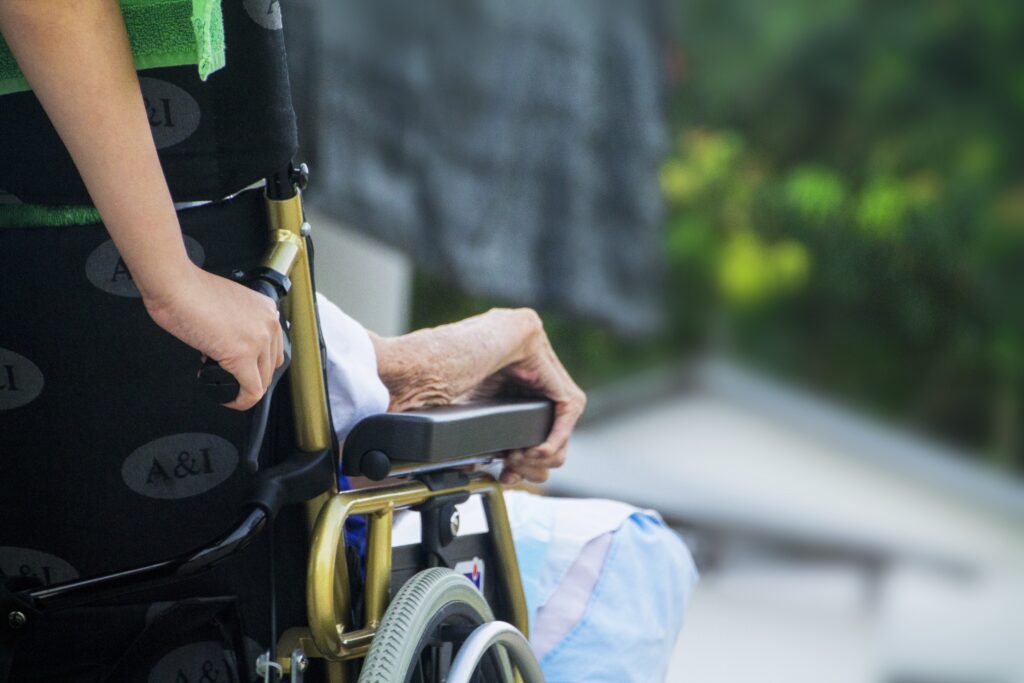
A person supporting someone using a wheelchair outdoors

LET’S TALK ABOUT CARE

Tell us how we can help.

Share a little about the support you need and where care is needed. Our team can discuss the next steps with you.

Prefer to talk? Call 01904 593 759.

Your details are used to respond to your enquiry. Please avoid including detailed medical records in this initial message. Read our privacy information.

QUESTIONS ANSWERED

Care shaped around your needs.

How do you understand my care needs?

A home visit is required for an assessment. We talk with you about your needs, routines, preferences and what matters most to you.

What is person-centred care?

We build a person-centred care plan, keeping you at the heart of it. Your choices and independence guide how we support you.

Can my care change over time?

We review your care with you and adapt the agreed support as your needs change. Contact the team to discuss a care-plan review.

Can I combine different types of support?

Tell us what you need during your enquiry. We assess the support required and confirm what is available and suitable before care begins.

Talk through your care needs →

BEFORE YOU DECIDE

Your questions are welcome.

How do we agree the support I need?

Our management team reviews your needs and preferences with you. A home visit is required for an assessment. We build a person-centred care plan, keeping you at the heart of it.

Can I ask about more than one service?

Yes. Tell us about your daily routine and the areas where you would like help. We can discuss which services fit your needs.

Where can I find costs and visit information?

Our minimum visit is 30 minutes. Read about costs and funding or speak to the team about your proposed care plan.